A bright, white smile is often seen as a symbol of good health, cleanliness, and confidence. Unfortunately, many people struggle with stained or discolored teeth. This common problem can create side-effects self-esteem issues and make you feel less confident about showing off your smile. Tooth stains can result from a variety of causes, including drinking coffee, tea, or red wine, smoking, poor oral hygiene, or even aging. It seems no one understands how to get rid of stains on teeth.
Understanding the causes of these stains and exploring effective ways to remove them can help you regain a radiant, healthier-looking smile. In this guide, we’ll explain everything you need to know about stains on teeth—what causes them, the types of stains, and practical steps you can take to remove or prevent them. Whether it’s everyday discoloration from food and drinks or deeper stains caused by medical conditions, you’ll find actionable tips to tackle the problem and maintain a brighter smile.
Understanding Tooth Stains
Tooth stains can be divided into two main categories: extrinsic and intrinsic. Knowing the difference between these two types is important for choosing the right treatment.
Extrinsic Stains
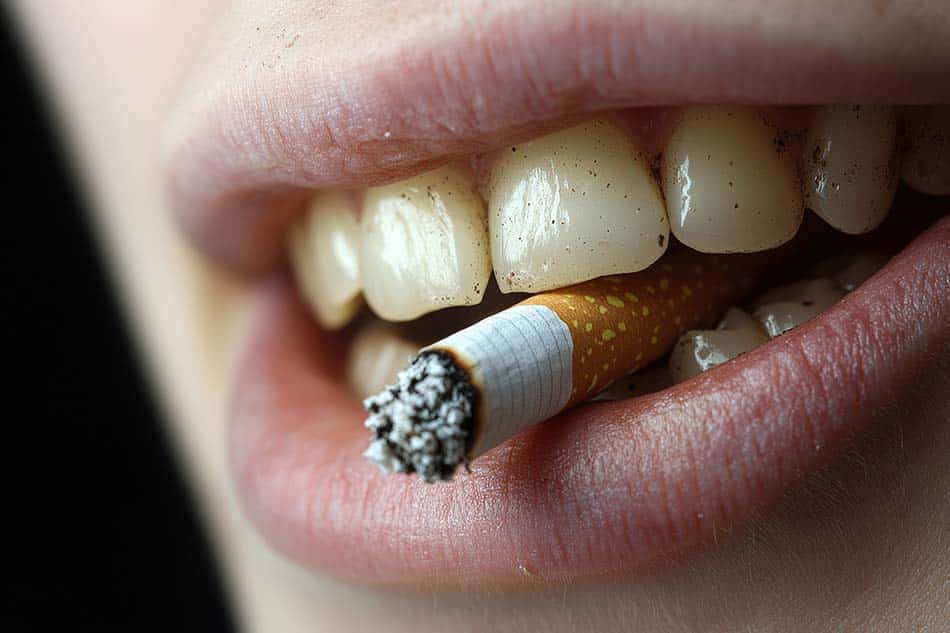
Extrinsic stains occur on the surface of the teeth. These stains are caused by external factors, like the things you eat and drink or habits like smoking. Foods and beverages like coffee, tea, red wine, and soda can leave dark stains on your teeth because they contain pigments or tannins that stick to the enamel. Smoking is another major cause of extrinsic staining; the tar and nicotine in cigarettes lead to yellow or brown discoloration over time.
Intrinsic Stains
Intrinsic stains are more challenging to address because they develop inside the tooth. These deeper stains can result from factors like certain medications, dental trauma, or over exposure to fluoride during childhood. For instance, anti-biotics like tetracycline can cause teeth to develop gray or brown discoloration if taken while the teeth are still forming. Unlike extrinsic stains, intrinsic discoloration often requires professional treatment to lighten or remove.
Effective Solutions for Removing Stains
There are many ways to remove or reduce stains on your teeth, ranging from simple at-home remedies to professional dental treatments. The solution you choose will depend on the type of stain and your personal preferences.
Practice Good Oral Hygiene
The first and most important step in preventing and removing stains is maintaining a solid oral hygiene routine. Brush your teeth at least twice a day with fluoride toothpaste to remove plaque and food particles that contribute to discoloration. Don’t forget to floss daily to clean between your teeth and prevent stains from building up in hard-to-reach areas.
Try Baking Soda
Baking soda is a natural, mild abrasive that can help scrub away surface stains on your teeth. To use it, mix a small amount of baking soda with water to create a paste and gently brush your teeth. However, it’s important to use this method sparingly to avoid damaging your tooth enamel.
Use Whitening Toothpaste
Whitening toothpaste contains special ingredients designed to remove surface stains while being gentle on your enamel. These products can gradually brighten your smile over time, making them a great option for mild discoloration. Look for toothpastes with the ADA (American Dental Association) Seal of Acceptance for safe and effective results.
Professional Dental Cleaning
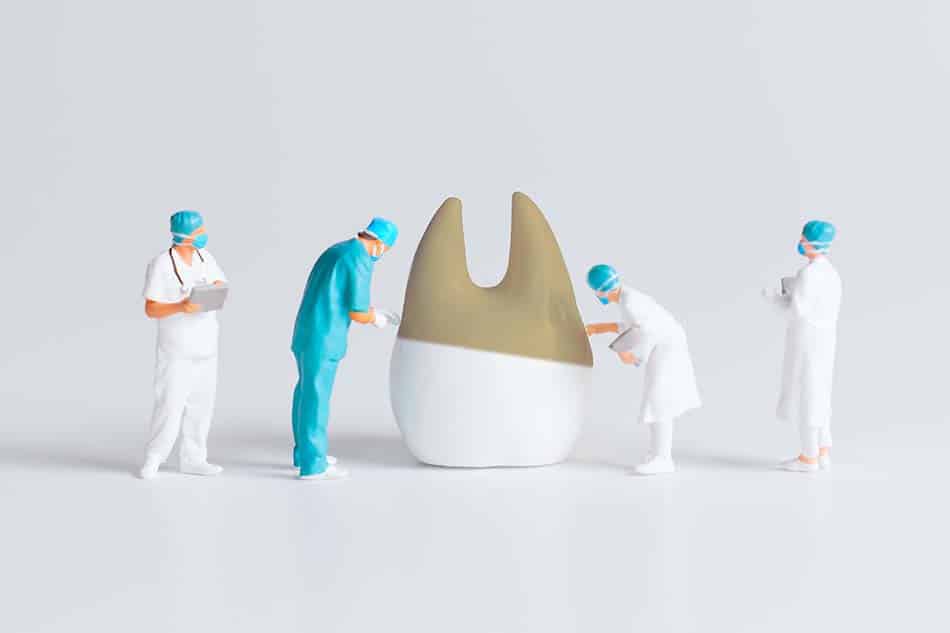
Regular visits to your dentist for professional cleanings can help remove tooth stains that brushing alone can’t tackle. Dentists use specialized tools to clean plaque and tartar from your teeth, leaving them brighter and healthier.
Over-the-Counter Whitening Products
Whitening strips, gels, and kits are widely available and offer an affordable way to address surface stains. These products usually contain hydrogen peroxide-based ingredients that work to lighten teeth. Always follow the instructions on how to get rid of stains on teeth carefully to avoid irritation or damage.
Professional Teeth Whitening
For more significant results, professional whitening treatments are an excellent option. These treatments use stronger whitening agents and advanced techniques to remove stains from teeth effectively. Dentists can tailor the procedure to your specific needs, delivering fast and noticeable results.
Avoid Staining Foods and Drinks
One of the easiest ways to prevent new stains is to limit your intake of foods and drinks that cause discoloration. If you can’t give up your coffee or tea, try drinking through a straw to reduce contact with your teeth. Rinsing your mouth with water afterward can also help reduce staining.
Explore Natural Remedies
Some people turn to natural solutions like activated charcoal or coconut oil pulling to whiten their teeth. While these methods may help with surface stains, their effectiveness varies, and they should be used with caution. Always consult your dentist before trying any natural remedy to ensure it’s safe for your teeth.
Maintain Your Results
After removing stains, it’s essential to maintain your results by practicing good oral hygiene and visiting your dentist regularly. Consider scheduling touch-up treatments as needed to keep your smile bright and healthy.
Why Professional Advice Matters
If you’re dealing with stubborn stains or unsure about which whitening method is best for you, consulting a dentist can make all the difference. They can evaluate the type of stains on your teeth and recommend the most effective treatments. Professional advice ensures you’re using safe, proven methods to brighten your smile without harming your teeth or gums.
Achieving a Brighter, More Confident Smile
Stains on teeth are a common issue, but they’re not something you have to live with forever. By understanding the causes of discoloration and exploring the many available treatments, you can achieve a brighter, more confident smile. Whether you’re dealing with surface stains from coffee or deeper discoloration from medical issues, there’s a solution that can teach you how to get rid of stains on teeth.
Take control of your smile today by practicing good oral hygiene, limiting staining foods, and consulting your dentist for professional dental care. With the right approach, you’ll be on your way to a whiter, healthier-looking smile in no time!
tooth, stain, hygiene, toothpaste, tooth whitening, oral hygiene, tooth enamel, injury, sodium bicarbonate, tooth decay, how to remove brown stains from teeth naturally, hydrogen peroxide, dental plaque, tooth discoloration, dental floss, gums, mouth, disease, calculus, red wine, toothbrush, fluoride, medication, bacteria, mouthwash, acid, brush, hydrogen, teeth cleaning, oil, charcoal, coconut oil, dentin, vinegar, dental fluorosis, diet, crown, gel, antibiotic, coconut, baking, cosmetic dentistry, berry, saliva, abrasive, urea, sugar, patient, lemon, comprehensive, vitamin, type 2 diabetes, apple cider, tetracycline, drink can, porcelain, pediatric dentistry, alternative medicine, bad breath, banana peel, genetics, ulcerative colitis, soy sauce, nutrition, sauce, straw, enamel hypoplasia, electric toothbrush, hypertension, inflammation, dental trauma, confidence, bromelain, drug, therapy, calcium, menopause, orthodontics, tissue, blood pressure, gingivitis, citric acid, laser, university of pennsylvania, mixture, chewing, how to get rid of stains on teeth, veneer, colgate, sedation, ageing, sodium, tar, how can i remove plaque from my teeth, how do i remove plaque from my teeth, how do you remove stains from teeth, how do i get rid of white spots on teeth, how do you get rid of braces stains, how do you get rid of tobacco stains on teeth, how do you get rid of white spots on teeth, how do you get rid of yellow stains on teeth, how do you remove brown stains from teeth, how do you remove coffee stains from teeth, how to get rid of tooth stains, papain, dentifrice, pigment, how do you remove teeth stains, how do you remove yellow stains from teeth
Frequently Asked Questions
How do I get rid of deep stains on my teeth?
To get rid of deep stains on your teeth, consider professional whitening treatments offered by dentists, as they effectively target stubborn discolorations. Regular oral hygiene practices and avoiding stain-causing foods can also help maintain a brighter smile.
How to get rid of brown stains on teeth?
Getting rid of brown stains on teeth involves a combination of good oral hygiene practices and professional whitening treatments. Regular brushing, flossing, and dental check-ups can help, while treatments like in-office whitening at ABQ Teeth Whitening provide effective solutions for persistent stains.
Can stains on teeth be removed?
Stains on teeth can be removed. Effective solutions include maintaining good oral hygiene, using whitening toothpaste, and opting for professional whitening treatments at ABQ Teeth Whitening for a brighter, more radiant smile.
How do I get brown stains off my teeth?
The way to get brown stains off your teeth involves a combination of good oral hygiene and professional treatments. Regular brushing, flossing, and using whitening toothpaste can help, but for more effective results, consider scheduling a teeth whitening appointment with a dentist.
Can brown stains on teeth be removed?
Brown stains on teeth can often be removed. Effective treatments include professional whitening procedures, which target deep stains, and good oral hygiene practices to prevent future discoloration. Consulting a dentist is recommended for personalized solutions.
How do you get rid of stained teeth at home?
To get rid of stained teeth at home, regular brushing with whitening toothpaste, using baking soda or hydrogen peroxide, and incorporating apple cider vinegar or activated charcoal in moderation can help remove surface stains. Always consult with a dentist for best results.
How to naturally remove brown stains from teeth?
Natural methods to remove brown stains from teeth include brushing with baking soda, using activated charcoal, and incorporating fruits like strawberries or apples which contain natural whitening properties. Regularly rinsing with water and maintaining good oral hygiene also help.
How can I remove stains from my teeth?
Removing stains from your teeth can be achieved through a combination of good oral hygiene, such as regular brushing and flossing, along with professional whitening treatments that target both extrinsic and intrinsic stains.
What are the best natural remedies for teeth stains?
The best natural remedies for teeth stains include using baking soda mixed with water to gently scrub teeth, brushing with activated charcoal, and rinsing with apple cider vinegar. These methods can help brighten your smile effectively.
Can baking soda help remove teeth stains?
Baking soda can help remove teeth stains due to its mild abrasive properties, which can effectively scrub away surface stains. However, for optimal results and safety, it's best to consult a dentist before using it as a whitening solution.
What causes deep stains on teeth?
Deep stains on teeth are primarily caused by factors such as poor dental hygiene, consumption of staining foods and beverages like coffee and red wine, tobacco use, and certain medications, which can penetrate the tooth enamel and create discoloration.
How effective are professional whitening treatments?
Professional whitening treatments are highly effective, often providing dramatic results within a single session. They utilize stronger whitening agents than over-the-counter options, targeting both extrinsic and intrinsic stains for a brighter, more radiant smile.
Is charcoal safe for teeth whitening?
The safety of charcoal for teeth whitening is a concern. While activated charcoal is marketed as a natural whitening agent, it can be abrasive and may damage enamel if used excessively. Consulting a dentist for safer alternatives is advisable.
Can diet affect tooth stain removal?
Diet can significantly affect tooth stain removal. Consuming stain-causing foods and beverages, such as coffee, tea, and red wine, can hinder the whitening process, while a balanced diet rich in fruits and vegetables can help maintain a brighter smile.
How often can you whiten your teeth?
The frequency of teeth whitening depends on the method used and personal dental health. Generally, professional treatments can be done every six months, while at-home whitening kits are safe to use every few weeks, but consult your dentist for tailored recommendations.
What’s the best toothpaste for stain removal?
The best toothpaste for stain removal is typically one that contains gentle abrasives or whitening agents, such as baking soda or activated charcoal, which can help lift stains without damaging enamel. Look for formulations specifically designed for stain removal for optimal results.
Are there any risks to whitening teeth?
The risks of whitening teeth include tooth sensitivity, gum irritation, and uneven results if not applied properly. Consulting a dental professional can help minimize these risks and ensure safe whitening treatments.
How long does teeth whitening last?
The longevity of teeth whitening results can vary, typically lasting from six months to two years, depending on factors like oral hygiene, diet, and lifestyle habits. Regular maintenance and good dental care can help prolong the effects.
Can yellow stains be removed from teeth?
Yellow stains on teeth can be effectively removed through professional whitening treatments, good oral hygiene practices, and lifestyle changes. Consulting a dentist can help determine the best approach for your specific needs.
What home remedies can whiten teeth effectively?
Home remedies that can effectively whiten teeth include using baking soda, hydrogen peroxide, and activated charcoal. Additionally, rubbing raw fruits like strawberries or apples can help remove surface stains, promoting a brighter smile.
How does hydration affect teeth appearance?
Hydration significantly affects teeth appearance by helping to maintain moisture levels in the mouth, which can prevent dry mouth and promote saliva production. Saliva is essential for neutralizing acids and washing away food particles, contributing to a brighter, healthier smile.
Can certain foods cause tooth discoloration?
Certain foods can indeed cause tooth discoloration. Items such as coffee, tea, red wine, and berries contain pigments that can stain tooth enamel over time, leading to a less vibrant smile.
Whats the difference between extrinsic and intrinsic stains?
The difference between extrinsic and intrinsic stains lies in their origins. Extrinsic stains occur on the surface of teeth, often from beverages or food, while intrinsic stains originate from within the tooth structure, typically due to factors like aging or dental trauma.
How does age affect teeth staining?
Age affects teeth staining as the enamel naturally thins over time, revealing the darker dentin beneath and making teeth more susceptible to discoloration. Additionally, prolonged exposure to food and beverages can further contribute to staining.
Are there whitening strips for sensitive teeth?
Whitening strips for sensitive teeth do exist. Many brands offer specialized formulations designed to minimize discomfort while effectively whitening teeth, making them a suitable option for individuals with sensitivity concerns.
What are the alternatives to teeth whitening?
The alternatives to teeth whitening include maintaining good oral hygiene, using whitening toothpaste, trying at-home whitening kits, or opting for natural remedies like baking soda or activated charcoal. Consulting a dentist can help you choose the best option for your needs.
Can whitening toothpaste really remove stains?
Whitening toothpaste can effectively reduce surface stains on teeth, primarily due to its mild abrasives and special ingredients. However, for deeper or more persistent stains, professional whitening treatments may be more effective.
Is it necessary to consult a dentist for stains?
Consulting a dentist for stains is essential. They can accurately diagnose the type of stains and recommend the most effective treatment options tailored to your specific needs, ensuring safer and more effective results.
Whats the impact of smoking on tooth stains?
The impact of smoking on tooth stains is significant. Tobacco use can lead to stubborn extrinsic stains, affecting the color and appearance of your teeth, and making whitening treatments less effective without professional intervention.
How to maintain teeth whiteness after treatment?
Maintaining teeth whiteness after treatment involves practicing good oral hygiene, avoiding stain-causing foods and drinks, and scheduling regular dental cleanings. Additionally, consider touch-up treatments as needed to preserve your bright, beautiful smile.
how to get rid of tooth stain, how to get rid of tooth stains, how to remove brown stains from teeth naturally, how to remove dark stains from teeth, how to remove deep stains on teeth, how to get rid of intrinsic teeth stains, get rid of stains on teeth, how to get rid of teeth stains, how to get rid of stain on teeth, teeth stain removal
The cost of teeth whitening varies based on the method and provider. At ABQ Teeth Whitening, professional laser whitening typically ranges from $300 to $600, depending on the treatment plan selected.
How much is teeth whitening at your dentist?
The cost of teeth whitening at your dentist can vary based on the specific treatment and location, but professional laser teeth whitening services at ABQ Teeth Whitening typically range from $200 to $600 for optimal results.
How much does it cost to get your teeth completely white?
The cost to achieve completely white teeth varies based on the treatment method and individual needs. At ABQ Teeth Whitening, our laser teeth whitening services typically range from $200 to $600, ensuring effective and safe results tailored to your smile.
How much does it cost to have teeth whitened by dentist?
The cost of teeth whitening by a dentist typically ranges from $300 to $1,000, depending on the technique used and the dental provider. At ABQ Teeth Whitening, we offer competitive pricing for our laser whitening services to ensure you achieve a radiant smile.
How much does it cost for your teeth to be whitened?
The cost of teeth whitening at ABQ Teeth Whitening varies depending on the specific service selected. Typically, our laser teeth whitening treatments range from $199 to $399, ensuring you receive safe and effective results for a brighter smile.
How much are teeth whitening at dentist?
The cost of teeth whitening at a dentist can vary widely, typically ranging from $300 to $1,000 depending on the method and location. For specialized services like laser whitening, prices may be at the higher end of this range.
How much should I pay for teeth whitening?
The cost of teeth whitening can vary significantly based on the method and provider. On average, professional laser teeth whitening services like those offered at ABQ Teeth Whitening typically range from $300 to $800.
How much does it cost to get your teeth whitened in the dentist?
The cost of teeth whitening at a dentist varies, typically ranging from $300 to $1,000, depending on the method and the provider. For a precise quote, it’s best to consult with your local dental office.
Is it worth getting your teeth professionally whitened?
The value of getting your teeth professionally whitened lies in the quick, safe, and effective results it provides. Professional treatments enhance your smile significantly more than over-the-counter options, making it a worthwhile investment for your confidence and appearance.
What factors affect teeth whitening costs?
The factors affecting teeth whitening costs include the type of whitening treatment chosen, the provider's expertise, and the location of the service. Additionally, customized treatments and promotional offers may also influence the overall price.
Are there discounts for teeth whitening services?
Discounts for teeth whitening services may be available at ABQ Teeth Whitening. We often offer promotions for new customers, so it's best to check our website or contact us directly for the latest deals.
How long do teeth whitening results last?
The duration of teeth whitening results can vary, typically lasting from six months to two years, depending on individual habits and maintenance. Regular dental care and avoiding stain-causing foods can help prolong the effects of your treatment.
What is the average price for laser whitening?
The average price for laser whitening typically ranges from $300 to $800, depending on the treatment specifics and provider. At ABQ Teeth Whitening, we offer competitive pricing to ensure you achieve a brighter smile effectively and affordably.
Do insurance plans cover teeth whitening?
Insurance plans typically do not cover teeth whitening, as it is considered a cosmetic procedure rather than a medical necessity. It's best to consult your insurance provider for specific details regarding your coverage options.
Can I whiten my teeth at home?
Whitening your teeth at home is possible using over-the-counter products like whitening strips or gels. However, professional services like those at ABQ Teeth Whitening offer safer and more effective results, ensuring a brighter smile with minimal sensitivity.
What is included in teeth whitening services?
Teeth whitening services include a thorough initial consultation, a custom treatment plan, the application of professional-grade whitening agents, and post-treatment care instructions to maintain your bright smile.
Are there side effects of teeth whitening?
The side effects of teeth whitening can include temporary tooth sensitivity and gum irritation. However, these effects are typically mild and short-lived, especially with professional treatments like those offered at ABQ Teeth Whitening.
How often can I whiten my teeth?
The frequency of teeth whitening depends on individual needs and the method used. Generally, for laser treatment, it's recommended to wait at least six months between sessions to protect dental health and maintain optimal results.
What methods are used in professional whitening?
The methods used in professional whitening include laser teeth whitening, which utilizes focused light to activate whitening agents, and in-office whitening treatments that employ high-concentration bleaching gels for quick and effective results.
Can teeth whitening be done during a checkup?
Teeth whitening can be done during a checkup if the dentist determines it's appropriate for your dental health. However, it's advisable to schedule a dedicated whitening appointment for optimal results and thorough care.
What is the best whitening method for sensitive teeth?
The best whitening method for sensitive teeth is typically professional laser teeth whitening. This method is designed to minimize discomfort while effectively brightening your smile, ensuring a quick and safe treatment process.
Do professional results differ from at-home kits?
Professional results significantly differ from at-home kits. Laser teeth whitening performed by experts yields quicker, safer, and more effective outcomes than most over-the-counter options, which often provide minimal results and take longer to see noticeable improvements.
Is there a difference in cost for treatments?
The cost of treatments can vary based on the specific service chosen and individual needs. At ABQ Teeth Whitening, we offer different pricing options for our laser teeth whitening treatments to accommodate various budgets and desired results.
What is the procedure for laser teeth whitening?
The procedure for laser teeth whitening involves applying a specialized whitening gel to your teeth, which is then activated by a laser. This process effectively brightens your smile in just one session, ensuring quick and noticeable results.
How can I maintain my whitened teeth?
Maintaining your whitened teeth involves adopting good oral hygiene practices, such as brushing twice daily with a whitening toothpaste, flossing regularly, and avoiding foods and drinks that can stain your teeth, like coffee and red wine.
Are there age restrictions for teeth whitening?
Age restrictions for teeth whitening typically apply, with most professionals recommending the procedure for individuals 16 years and older. It's best to consult a dental expert for personalized advice.
Does whitening work on all tooth types?
Teeth whitening may not be effective on all tooth types. While it works well on natural teeth, results can vary for individuals with veneers, crowns, or fillings, as these materials do not respond to whitening treatments in the same way.
How do I choose a teeth whitening provider?
Choosing a teeth whitening provider requires considering their qualifications, experience, and the techniques they use. Look for certified professionals, read customer reviews, and ensure they offer safe and effective options, such as laser whitening.
What results can I expect from teeth whitening?
The results you can expect from teeth whitening include a noticeably brighter smile, often lightening your teeth by several shades in just one session. This safe and effective treatment enhances your overall appearance and boosts your confidence.
Is a consultation necessary before teeth whitening?
A consultation is necessary before teeth whitening to assess your dental health and determine the most suitable treatment for your needs. This ensures safe and effective results tailored to your unique smile.
abq teeth whitening, teeth whitening albuquerque nm, teeth whitening albuquerque, albuquerque teeth whitening, teeth whitening near me, whitening teeth near me, laser teeth whitening near me, professional teeth whitening near me, teeth whitening services near me, dental whitening near me