Welcome to the Brilliant Smiles Blog, your go-to resource for achieving a dazzling, confident smile! At ABQ Teeth Whitening, we’re passionate about helping you discover the best in dental aesthetics and oral care. Here, you’ll find expert tips, insights, and updates on all things teeth whitening, from the latest trends and techniques to maintaining a radiant smile every day. Our blog also provides valuable tips on keeping your teeth whitening treatment lasting as long as possible, so you can enjoy your brilliant smile to the fullest. Whether you’re curious about our services, looking for at-home care advice, or just love learning about ways to brighten your smile, we’ve got you covered. Let’s embark on this journey to brilliance together!

Dentists whiten yellow teeth by using professional-grade bleaching agents, typically hydrogen peroxide or carbamide peroxide, which penetrate the enamel and lift stains effectively. They may also employ specialized lights or laser technologies to enhance the whitening process.
How much are teeth whitening at dentist?
The cost of teeth whitening at a dentist can vary significantly, typically ranging from $300 to $1,000, depending on the method used and the provider's location.
Is it worth getting your teeth professionally whitened?
The value of getting your teeth professionally whitened lies in the significant improvement in the brightness and aesthetics of your smile, which can boost your confidence and overall appearance, making it a worthwhile investment.
How much should teeth whitening cost?
The cost of teeth whitening varies depending on the method used and the provider, typically ranging from $200 to $600 for professional treatments. It's best to consult ABQ Teeth Whitening for specific pricing and available promotions.
What is the average for teeth whitening?
The average cost for teeth whitening typically ranges from $200 to $600, depending on the treatment type and provider. Professional treatments often yield longer-lasting results compared to over-the-counter options.
How much does it cost to get your teeth whitened in the dentist?
The cost of getting your teeth whitened at the dentist varies, typically ranging from $300 to $1,000, depending on the method used and the clinic's location. Always check with your dental provider for accurate pricing.
Why does teeth whitening hurt my teeth?
Teeth whitening can cause discomfort due to the bleaching agents, which may temporarily increase tooth sensitivity. Additionally, existing enamel wear or gum issues can exacerbate this sensitivity during the whitening process.
What to expect when whitening teeth?
When whitening teeth, you can expect initial sensitivity, visible results after treatment, and improved smile brightness. The process may involve consultation, a professional whitening session, and personalized aftercare guidelines to maintain your newly enhanced smile.
How much does it cost to have teeth whitened by dentist?
The cost to have teeth whitened by a dentist typically ranges from $300 to $800, depending on the treatment method and location. It's best to consult with your dentist for specific pricing and options.
What techniques do dentists use for whitening?
Dentists utilize several techniques for whitening teeth, including in-office bleaching with strong hydrogen peroxide gels, at-home custom tray treatments, and whitening strips. These methods effectively enhance your smile under professional guidance.
How long does professional teeth whitening last?
The duration of professional teeth whitening results varies, but generally, it can last from six months to two years, depending on individual habits and dental care. Regular maintenance and good oral hygiene can help prolong the brightening effects.
Are there side effects of teeth whitening?
The side effects of teeth whitening can include temporary tooth sensitivity and gum irritation. These effects are usually mild and subside shortly after the treatment, making professional whitening a safe option when performed by experts.
Can I whiten my teeth at home safely?
Whitening teeth at home can be done safely with the right products and methods. It's essential to choose ADA-approved whitening kits and follow instructions—consulting a dental professional for personalized advice ensures both safety and effectiveness.
What is the best way to maintain whiteness?
The best way to maintain teeth whiteness is by practicing good oral hygiene, including regular brushing and flossing, avoiding stain-causing foods and drinks, and scheduling routine dental cleanings. Additionally, using whitening toothpaste can help preserve your bright smile.
How often can I get my teeth whitened?
The frequency of teeth whitening depends on the method used and individual dental health. Generally, professional treatments can be done every 6 to 12 months, but it's best to consult with your dental professional for personalized advice.
What causes teeth to become yellowed?
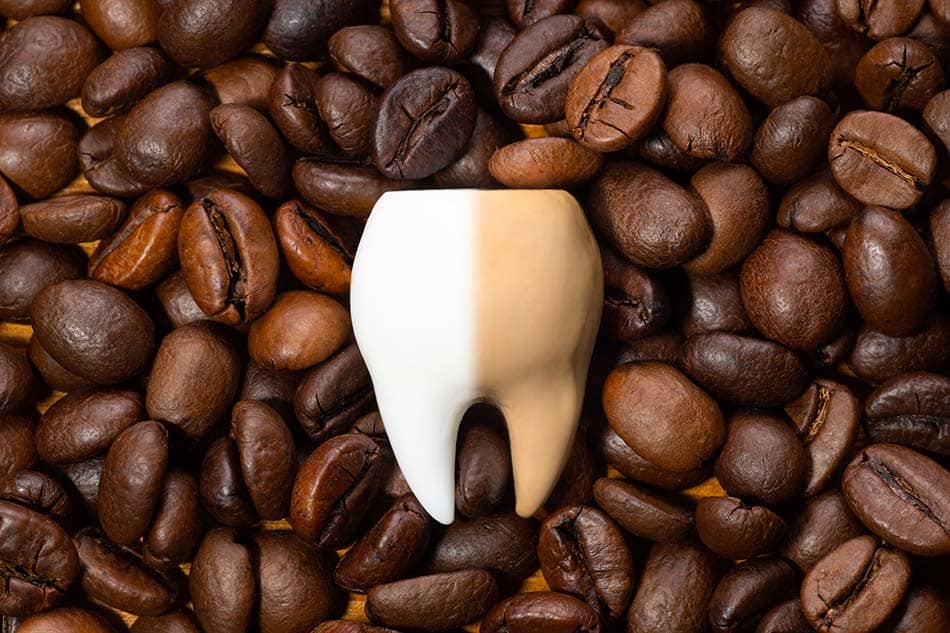
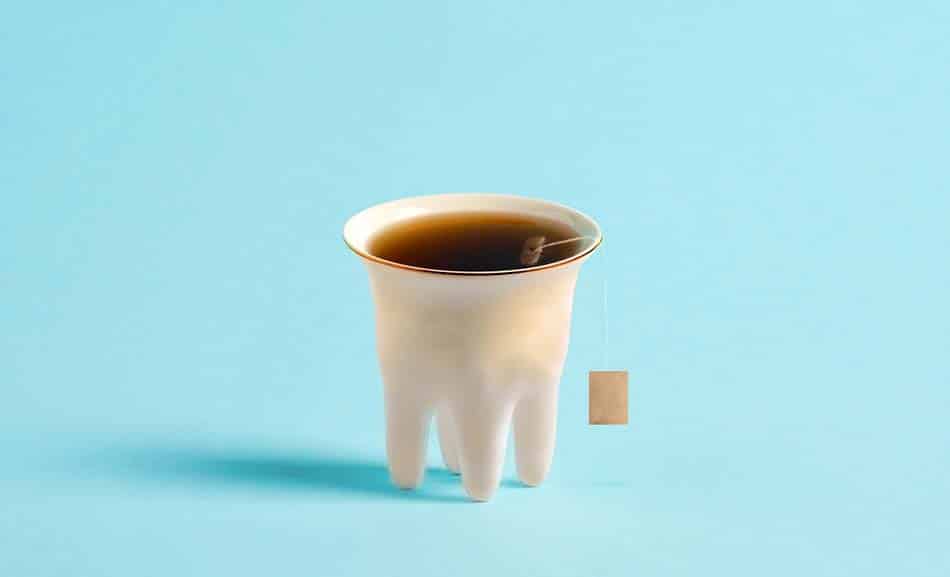
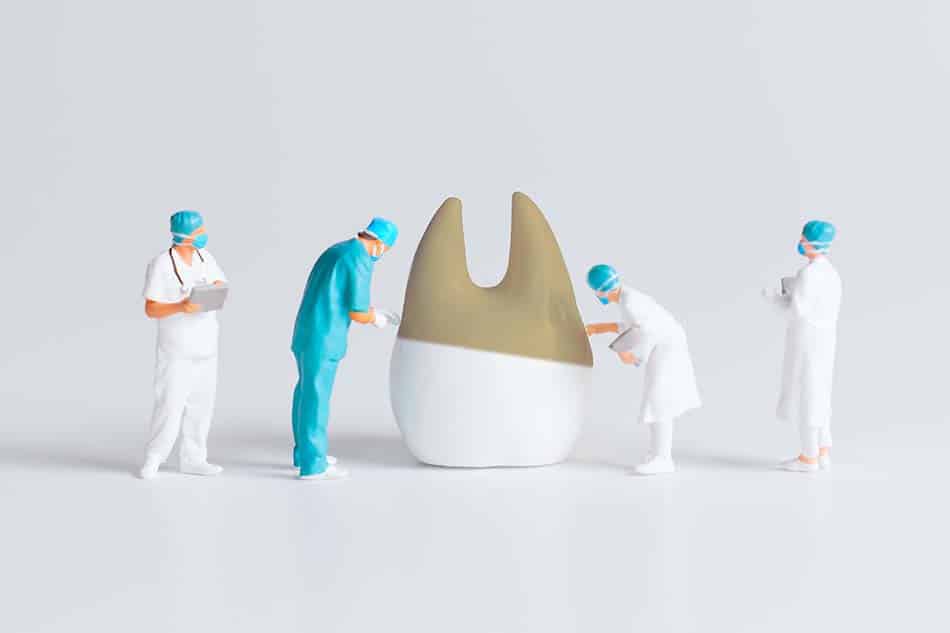
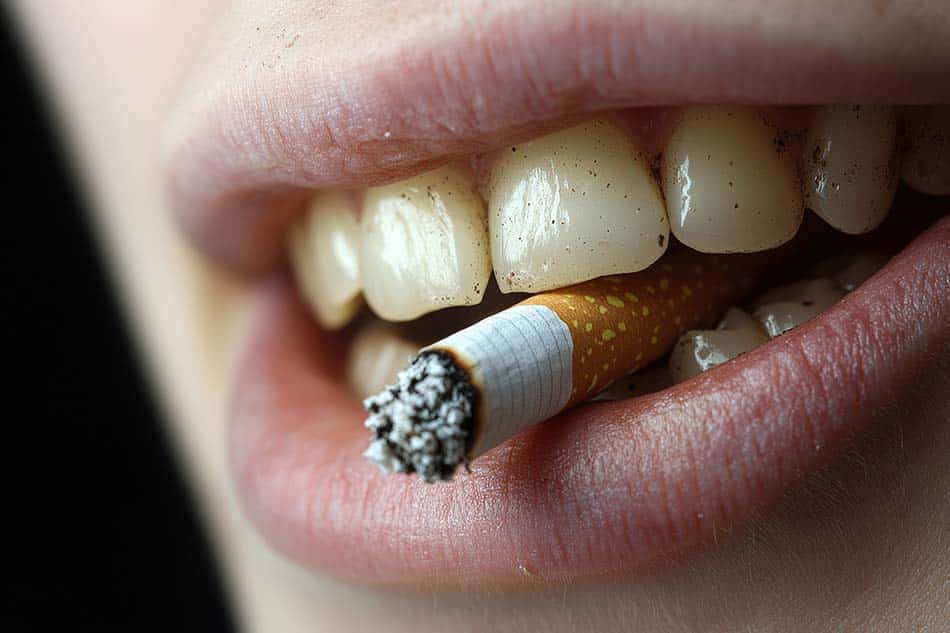
Teeth can become yellowed due to factors such as aging, consumption of staining foods and beverages (like coffee and red wine), tobacco use, poor oral hygiene, and certain medications. These causes can lead to the enamel wearing down and exposing the underlying dentin, which is naturally yellow.
Is teeth whitening safe for sensitive teeth?
Teeth whitening is generally safe for individuals with sensitive teeth. However, it is essential to consult a dental professional to find the best method and product suited to your needs, reducing the risk of discomfort during treatment.
Are there dietary restrictions after whitening teeth?
After whitening teeth, there are generally no strict dietary restrictions, but it is advisable to avoid dark-colored foods and beverages like coffee, red wine, and berries for at least 24 hours to maintain your bright new smile.
What should I do before my whitening appointment?
Before your whitening appointment, it's important to brush and floss your teeth thoroughly to remove plaque. Avoid consuming staining foods or drinks, like coffee or red wine, a day prior for optimal results.
How do I choose a teeth whitening provider?
Choosing a teeth whitening provider involves considering their qualifications, experience, and customer reviews. Look for certified professionals who offer tailored treatment options and prioritize patient safety for optimal results.
What happens during a teeth whitening session?
During a teeth whitening session, the dentist applies a whitening gel to the teeth, which is then activated by a special light. This process lightens stains and discoloration, resulting in a brighter smile in about an hour.
Can whitening treatments damage dental work?
Whitening treatments can potentially affect dental work. While professional whitening generally does not damage crowns, veneers, or fillings, it may lead to uneven coloring if existing dental work is not replaced or adjusted afterward.
What products enhance the effects of whitening?
Products that enhance the effects of whitening include whitening toothpaste, mouth rinses with whitening agents, and professional-grade whitening gels or strips. Using these in conjunction with professional treatments can maximize results and maintain a bright smile.
Is whitening effective for all tooth types?
Teeth whitening effectiveness varies among tooth types. While it generally works well on natural teeth, certain conditions like stains from dental work, crowns, or severe discoloration may yield less noticeable results. Consulting with a professional can provide tailored advice.
How can age affect teeth whitening results?
Age can significantly affect teeth whitening results. As we age, enamel wear and staining increase, which may lead to less effective whitening outcomes. Additionally, older individuals might have more sensitivity, requiring tailored whitening approaches.
Do teeth whitening results vary by person?
Teeth whitening results vary by person due to individual factors such as tooth structure, enamel thickness, and lifestyle habits. Each person's unique dental composition influences how effectively the whitening treatment works and the longevity of results.
Are there alternatives to professional whitening?
Alternatives to professional whitening include over-the-counter whitening strips, toothpaste with whitening agents, and natural remedies like baking soda or activated charcoal. However, these options may offer less effective and slower results compared to professional treatments.
How do I address uneven whitening results?
To address uneven whitening results, consider scheduling a follow-up appointment for professional touch-ups. Additionally, using whitening products consistently and as directed can help achieve a more uniform shade over time.
What are the most popular whitening methods?
The most popular whitening methods include professional in-office treatments, at-home whitening kits, and over-the-counter products like whitening strips and toothpaste. Each method varies in effectiveness and convenience, allowing individuals to choose what best suits their needs.
How should I care for teeth after whitening?
Caring for teeth after whitening is essential for maintaining their brightness. Avoid consuming staining foods and beverages for the first 48 hours, and maintain a diligent oral hygiene routine, including regular brushing and flossing, to prolong your results.
Understanding Teeth Whitening: A Comprehensive Guide
Teeth whitening is a popular cosmetic dental procedure aimed at enhancing the brightness of your smile. This guide will provide an overview of the different methods available, helping you make an informed decision about the best option for your needs.
There are various techniques for teeth whitening, including in-office treatments, at-home kits, and natural remedies. Each method has its own advantages and potential drawbacks, which can influence your choice based on factors like cost, effectiveness, and convenience.
The Benefits of Professional Teeth Whitening
Professional teeth whitening offers numerous benefits, including immediate results and customized treatment plans tailored to individual needs. This service is performed by trained dental professionals, ensuring safety and effectiveness.
In-office whitening can dramatically brighten teeth in just one session, often yielding results that last longer than over-the-counter products. Additionally, dental professionals can provide personalized aftercare tips to help maintain your new smile, enhancing the overall value of the treatment.
Maintaining Your Bright Smile: Aftercare Tips
After undergoing teeth whitening, proper aftercare is essential to prolong the results. Following specific guidelines can help you maintain your bright smile and prevent staining from returning too quickly.
Some effective aftercare tips include avoiding dark-colored foods and beverages for at least 24 hours post-treatment, practicing good oral hygiene, and scheduling regular dental cleanings. These practices not only help maintain whiteness but also contribute to overall dental health.
Common Myths About Teeth Whitening Debunked
There are many misconceptions surrounding teeth whitening that can lead to confusion. Understanding the facts can help you navigate your options and make informed decisions about your dental care.
For instance, a common myth is that all whitening products are equally effective; however, professional treatments typically yield more significant and longer-lasting results compared to over-the-counter options. Additionally, some believe that whitening can damage enamel, but when done correctly by a professional, it is safe and effective.
Dentists whiten yellow teeth by using professional-grade bleaching agents, typically hydrogen peroxide or carbamide peroxide, which penetrate the enamel and lift stains effectively. They may also employ specialized lights or laser technologies to enhance the whitening process.
How much are teeth whitening at dentist?
The cost of teeth whitening at a dentist can vary significantly, typically ranging from 0 to
,000, depending on the method used and the provider's location.
Is it worth getting your teeth professionally whitened?
The value of getting your teeth professionally whitened lies in the significant improvement in the brightness and aesthetics of your smile, which can boost your confidence and overall appearance, making it a worthwhile investment.
How much should teeth whitening cost?
The cost of teeth whitening varies depending on the method used and the provider, typically ranging from 0 to 0 for professional treatments. It's best to consult ABQ Teeth Whitening for specific pricing and available promotions.
What is the average for teeth whitening?
The average cost for teeth whitening typically ranges from 0 to 0, depending on the treatment type and provider. Professional treatments often yield longer-lasting results compared to over-the-counter options.
How much does it cost to get your teeth whitened in the dentist?
The cost of getting your teeth whitened at the dentist varies, typically ranging from 0 to ,000, depending on the method used and the clinic's location. Always check with your dental provider for accurate pricing.
Why does teeth whitening hurt my teeth?
Teeth whitening can cause discomfort due to the bleaching agents, which may temporarily increase tooth sensitivity. Additionally, existing enamel wear or gum issues can exacerbate this sensitivity during the whitening process.
What to expect when whitening teeth?
When whitening teeth, you can expect initial sensitivity, visible results after treatment, and improved smile brightness. The process may involve consultation, a professional whitening session, and personalized aftercare guidelines to maintain your newly enhanced smile.
How much does it cost to have teeth whitened by dentist?
The cost to have teeth whitened by a dentist typically ranges from 0 to 0, depending on the treatment method and location. It's best to consult with your dentist for specific pricing and options.
What techniques do dentists use for whitening?
Dentists utilize several techniques for whitening teeth, including in-office bleaching with strong hydrogen peroxide gels, at-home custom tray treatments, and whitening strips. These methods effectively enhance your smile under professional guidance.
How long does professional teeth whitening last?
The duration of professional teeth whitening results varies, but generally, it can last from six months to two years, depending on individual habits and dental care. Regular maintenance and good oral hygiene can help prolong the brightening effects.
Are there side effects of teeth whitening?
The side effects of teeth whitening can include temporary tooth sensitivity and gum irritation. These effects are usually mild and subside shortly after the treatment, making professional whitening a safe option when performed by experts.
Can I whiten my teeth at home safely?
Whitening teeth at home can be done safely with the right products and methods. It's essential to choose ADA-approved whitening kits and follow instructions—consulting a dental professional for personalized advice ensures both safety and effectiveness.
What is the best way to maintain whiteness?
The best way to maintain teeth whiteness is by practicing good oral hygiene, including regular brushing and flossing, avoiding stain-causing foods and drinks, and scheduling routine dental cleanings. Additionally, using whitening toothpaste can help preserve your bright smile.
How often can I get my teeth whitened?
The frequency of teeth whitening depends on the method used and individual dental health. Generally, professional treatments can be done every 6 to 12 months, but it's best to consult with your dental professional for personalized advice.
What causes teeth to become yellowed?
Teeth can become yellowed due to factors such as aging, consumption of staining foods and beverages (like coffee and red wine), tobacco use, poor oral hygiene, and certain medications. These causes can lead to the enamel wearing down and exposing the underlying dentin, which is naturally yellow.
Is teeth whitening safe for sensitive teeth?
Teeth whitening is generally safe for individuals with sensitive teeth. However, it is essential to consult a dental professional to find the best method and product suited to your needs, reducing the risk of discomfort during treatment.
Are there dietary restrictions after whitening teeth?
After whitening teeth, there are generally no strict dietary restrictions, but it is advisable to avoid dark-colored foods and beverages like coffee, red wine, and berries for at least 24 hours to maintain your bright new smile.
What should I do before my whitening appointment?
Before your whitening appointment, it's important to brush and floss your teeth thoroughly to remove plaque. Avoid consuming staining foods or drinks, like coffee or red wine, a day prior for optimal results.
How do I choose a teeth whitening provider?
Choosing a teeth whitening provider involves considering their qualifications, experience, and customer reviews. Look for certified professionals who offer tailored treatment options and prioritize patient safety for optimal results.
What happens during a teeth whitening session?
During a teeth whitening session, the dentist applies a whitening gel to the teeth, which is then activated by a special light. This process lightens stains and discoloration, resulting in a brighter smile in about an hour.
Can whitening treatments damage dental work?
Whitening treatments can potentially affect dental work. While professional whitening generally does not damage crowns, veneers, or fillings, it may lead to uneven coloring if existing dental work is not replaced or adjusted afterward.
What products enhance the effects of whitening?
Products that enhance the effects of whitening include whitening toothpaste, mouth rinses with whitening agents, and professional-grade whitening gels or strips. Using these in conjunction with professional treatments can maximize results and maintain a bright smile.
Is whitening effective for all tooth types?
Teeth whitening effectiveness varies among tooth types. While it generally works well on natural teeth, certain conditions like stains from dental work, crowns, or severe discoloration may yield less noticeable results. Consulting with a professional can provide tailored advice.
How can age affect teeth whitening results?
Age can significantly affect teeth whitening results. As we age, enamel wear and staining increase, which may lead to less effective whitening outcomes. Additionally, older individuals might have more sensitivity, requiring tailored whitening approaches.
Do teeth whitening results vary by person?
Teeth whitening results vary by person due to individual factors such as tooth structure, enamel thickness, and lifestyle habits. Each person's unique dental composition influences how effectively the whitening treatment works and the longevity of results.
Are there alternatives to professional whitening?
Alternatives to professional whitening include over-the-counter whitening strips, toothpaste with whitening agents, and natural remedies like baking soda or activated charcoal. However, these options may offer less effective and slower results compared to professional treatments.
How do I address uneven whitening results?
To address uneven whitening results, consider scheduling a follow-up appointment for professional touch-ups. Additionally, using whitening products consistently and as directed can help achieve a more uniform shade over time.
What are the most popular whitening methods?
The most popular whitening methods include professional in-office treatments, at-home whitening kits, and over-the-counter products like whitening strips and toothpaste. Each method varies in effectiveness and convenience, allowing individuals to choose what best suits their needs.
How should I care for teeth after whitening?
Caring for teeth after whitening is essential for maintaining their brightness. Avoid consuming staining foods and beverages for the first 48 hours, and maintain a diligent oral hygiene routine, including regular brushing and flossing, to prolong your results.
Understanding Teeth Whitening: A Comprehensive Guide
Teeth whitening is a popular cosmetic dental procedure aimed at enhancing the brightness of your smile. This guide will provide an overview of the different methods available, helping you make an informed decision about the best option for your needs.
There are various techniques for teeth whitening, including in-office treatments, at-home kits, and natural remedies. Each method has its own advantages and potential drawbacks, which can influence your choice based on factors like cost, effectiveness, and convenience.
The Benefits of Professional Teeth Whitening
Professional teeth whitening offers numerous benefits, including immediate results and customized treatment plans tailored to individual needs. This service is performed by trained dental professionals, ensuring safety and effectiveness.
In-office whitening can dramatically brighten teeth in just one session, often yielding results that last longer than over-the-counter products. Additionally, dental professionals can provide personalized aftercare tips to help maintain your new smile, enhancing the overall value of the treatment.
Maintaining Your Bright Smile: Aftercare Tips
After undergoing teeth whitening, proper aftercare is essential to prolong the results. Following specific guidelines can help you maintain your bright smile and prevent staining from returning too quickly.
Some effective aftercare tips include avoiding dark-colored foods and beverages for at least 24 hours post-treatment, practicing good oral hygiene, and scheduling regular dental cleanings. These practices not only help maintain whiteness but also contribute to overall dental health.
Common Myths About Teeth Whitening Debunked
There are many misconceptions surrounding teeth whitening that can lead to confusion. Understanding the facts can help you navigate your options and make informed decisions about your dental care.
For instance, a common myth is that all whitening products are equally effective; however, professional treatments typically yield more significant and longer-lasting results compared to over-the-counter options. Additionally, some believe that whitening can damage enamel, but when done correctly by a professional, it is safe and effective.